
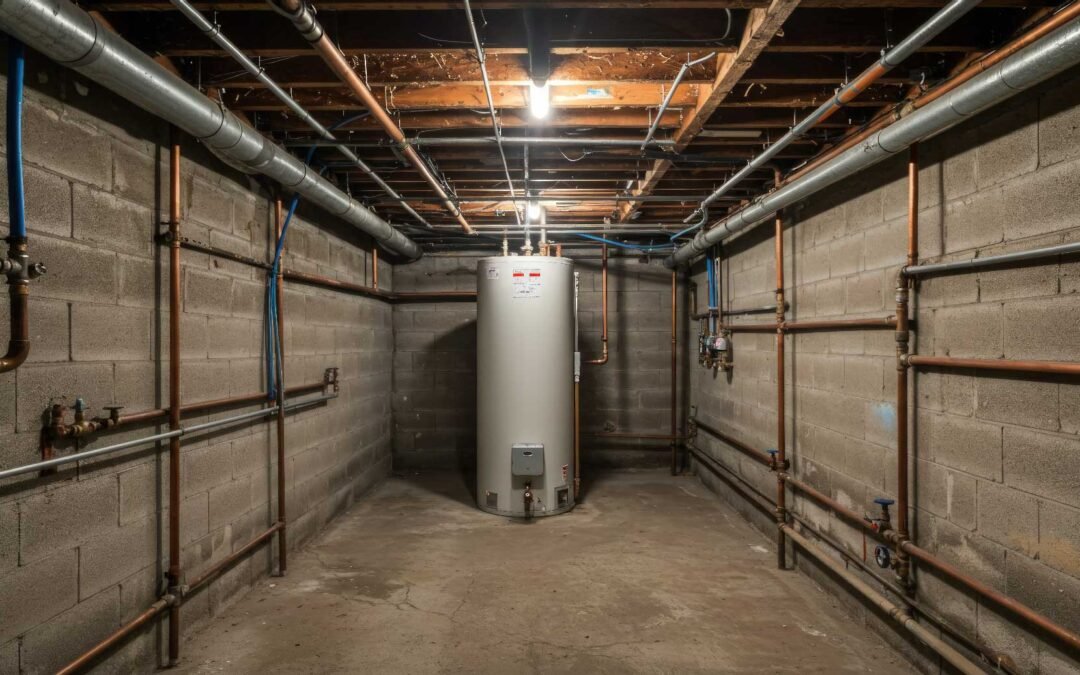
Basement Services in Boston require far more than standard waterproofing, they demand a deep understanding of historic construction, groundwater behavior, and modern building science. In neighborhoods like Back Bay, Beacon Hill, the North End, South End, Charlestown, and the Seaport, your basement is the structural soul of your home.
At Historic Masonry & Construction, we specialize in preserving Boston’s 18th- and 19th century foundations while integrating 2026 hydrologic engineering solutions. Our work protects not just your property but the legacy beneath it.
Brownstone Basement Waterproofing: Why Boston Homes Need a Different Approach
Boston’s historic brownstones were built using:
-
Lime-based mortar (not modern cement)
-
Porous brick and fieldstone
-
Foundations designed to “breathe”
The Problem with Modern Waterproofing
Standard sealants trap moisture inside walls, leading to:
-
Brick spalling
-
Interior mold growth
-
Accelerated structural deterioration
Following the National Park Service guidelines we implement:
-
ASTM C270-compliant lime mortar repointing
-
Traditional tuckpointing to preserve historic aesthetics
-
Vapor-permeable waterproofing systems
This ensures durability while maintaining the building’s historic integrity.
The ‘Back Bay’ Challenge: The Boston Groundwater Paradox
Waterproofing a basement in Back Bay or the South End isn’t straightforward. This is where Boston presents a unique engineering dilemma:
The Boston Paradox
-
Homes sit on historic wood pilings
-
These pilings must remain submerged in groundwater
-
Excessive dewatering can cause pile rot and structural failure
According to the Boston Groundwater Trust groundwater levels are actively monitored to prevent this issue.
Our Solution: Internal Water Management
Instead of aggressive exterior drainage, we focus on:
-
Internal perimeter drainage systems (French drains)
-
Controlled sump pump discharge
-
Groundwater-neutral waterproofing strategies
This protects your basement without disrupting neighborhood wide foundation stability.
Boston French Drain Installers: 2026 Hydro Dynamic Basement Systems
With increasingly intense storms across Suffolk County, basements must be engineered for hydrostatic pressure control.
Key Components of a Storm-Ready Basement
-
Interior French drains to capture water at the footing
-
Dual sump pump systems (primary + battery backup)
-
High capacity discharge lines with backflow prevention
-
Crystalline waterproofing that penetrates masonry
These systems are especially critical in:
-
The Seaport (high water table + fill soil)
-
The North End (dense urban drainage limitations)
-
Charlestown (mixed soil conditions)
Soil Intelligence: Boston Blue Clay & Fill-Dirt Risks
Boston’s subsurface varies dramatically:
Blue Clay Challenges
-
Expands when wet, contracts when dry
-
Causes seasonal foundation movement
-
Leads to cracking and water infiltration
Fill-Dirt Zones (Back Bay & Seaport)
-
Looser composition
-
Increased hydrostatic pressure during storms
-
Greater risk of basement flooding
Our engineering approach includes:
-
Soil specific drainage design
-
Pressure relief systems
-
Structural reinforcement where needed
Masonry Basement Repair Beacon Hill: Precision Meets Preservation
Working in Beacon Hill and other historic districts requires strict adherence to preservation standards.
We follow the Boston Landmarks Commission guidelines.
Our Specialized Services
-
Brick and granite foundation repair
-
Structural crack stitching
-
Period accurate mortar matching
-
Load bearing wall reinforcement
All work aligns with the Secretary of the Interior’s Standards, ensuring compliance and authenticity.
Historic Foundation Restoration Suffolk County
With over 20 years of experience, Historic Masonry & Construction is trusted across Suffolk County for:
-
Fieldstone foundation stabilization
-
Brownstone structural repair
-
Moisture mitigation in aging masonry
-
Long term preservation strategies
We don’t replace history we restore and reinforce it.
2026 Storm Ready Basements: Advanced Waterproofing Systems
Modern Boston basements must handle extreme rainfall events.
Our Hydro Dynamic Approach
-
Interior drainage to manage water without external disruption
-
Sump pump redundancy systems
-
Crystalline sealants that integrate with masonry
-
Breathable barriers that prevent trapped moisture
This approach ensures:
-
Dry basements
-
Protected foundations
-
Long-term resilience
Historic Aesthetic vs. Modern Utility: Creating Garden Level Living Spaces
Transforming a basement into a livable “Garden Level” unit requires both engineering and compliance.
Key Considerations
-
Structural openings for egress windows
-
Moisture and air quality control
-
Preservation of historic masonry appearance
We manage permits through the City of Boston ISD.
Ensuring compliance with:
-
International Residential Code (IRC)
-
Local flood mitigation requirements
-
Landmark district regulations
Q: How do I waterproof a historic Boston basement without damaging the foundation?
A: In historic masonry, “sealing” the walls often traps moisture, causing the brick to spall. In 2026, the gold standard is vapor-permeable crystalline waterproofing paired with an internal perimeter drainage system (French drain). This allows the historic structure to “breathe” while managing bulk water intrusion.
Q: What are the 2026 Boston building codes for basement living spaces?
A: The Boston Inspectional Services Department (ISD) now mandates specific egress and flood-mitigation standards for “Garden Level” apartments. Historic Masonry provides structural masonry openings for egress windows that comply with both the Boston Landmarks Commission (BLC) and the International Residential Code (IRC).
Signs of Foundation Failure in Boston Basements
Be proactive look for:
-
Horizontal or stair-step cracks
-
Water seepage after storms
-
Musty odors or mold growth
-
Bowing or bulging walls
-
Uneven flooring above
How Much Does a French Drain Cost in Boston?
Typical costs in 2026:
-
Interior French drain installation: $6,000 – $18,000
-
Sump pump systems: $2,500 – $7,500
-
Full waterproofing systems: $10,000 – $30,000+
Pricing depends on:
-
Basement size
-
Soil conditions
-
Historic compliance requirements
Permit Requirements for Beacon Hill Basements
Projects in Beacon Hill require:
-
ISD building permits
-
Landmark Commission approval
-
Engineering documentation
We handle the entire process to ensure full compliance and faster approvals.
Why Choose Historic Masonry & Construction?
We are Boston’s trusted experts in historic basement systems.
What Sets Us Apart
-
20+ years working on Boston brownstones
-
Expertise in ASTM C270 mortar systems
-
Specialists in tuckpointing and historic masonry
-
Proven results across all major Boston neighborhoods
-
Consistent 5 star local reputation
Protect Your Legacy from the Ground Up
Your basement is more than a utility space it’s the foundation of your home’s future.
Protect your legacy from the ground up. Contact Historic Masonry & Construction for a Professional Boston Basement Audit.