
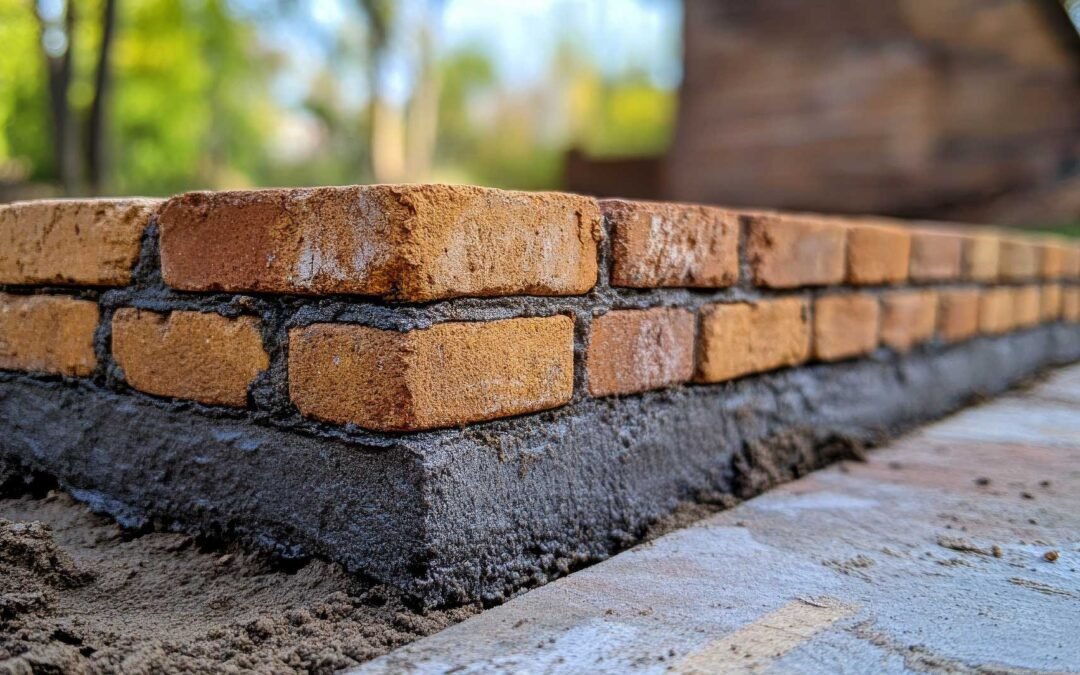
Foundation Services in Boston are not just about structural stability, they are about legacy preservation. In a city where homes in Back Bay, Beacon Hill, the North End, South End, Charlestown, and Bay Village sit atop centuries old systems, your foundation tells a story. At Historic Masonry & Construction, we understand Boston’s hidden geology from manmade fill in Back Bay to Roxbury’s ledge rock and we engineer solutions that respect both history and modern structural demands.
Our approach blends 18th and 19th century masonry expertise with 2026 engineering standards, ensuring your property remains safe, compliant, and historically intact.
Brownstone Foundation Repair & The Boston Subsurface Reality
Boston’s historic brownstones were never built with modern soil science in mind. Beneath many neighborhoods lies a mix of:
-
Artificial fill (Back Bay & South End)
-
Organic silts and sands (North End)
-
Dense “Blue Hill” clay (Greater Boston area)
The “Blue Hill” Clay Factor
Boston’s notorious Blue Hill clay expands and contracts with seasonal moisture changes, leading to:
-
Foundation shifting and settlement
-
Cracking in brick and granite walls
-
Uneven floors and misaligned door frames
To combat this, we apply IEBC compliant stabilization methods, including:
-
Helical piers engineered for clay load resistance
-
Controlled drainage systems to regulate soil moisture
-
Structural crack stitching using ASTM compliant materials
The Back Bay & South End Piling Alert: Boston Wood Pile Preservation
One of the most urgent 2026 issues in Back Bay and the South End is the wood pile crisis.
Why This Matters
Historic homes in these neighborhoods are supported by untreated timber piles driven into saturated soil. These piles remain structurally sound only when submerged.
When groundwater levels drop:
-
Wood is exposed to oxygen
-
Rapid rot begins
-
Structural failure can follow within years
Our Groundwater Protection Strategy
Historic Masonry & Construction actively works with data from the Boston Groundwater Trust (BGwT) to monitor local water table levels.
We provide:
-
Piling inspections using non-invasive testing
-
Recharge system installations to maintain groundwater saturation
-
Long term monitoring solutions for at risk properties
This is especially critical in:
-
Back Bay
-
South End
-
Bay Village
Basement Waterproofing Suffolk County: Protecting Historic Masonry
Modern waterproofing products often fail historic buildings.
Why Standard Sealants Don’t Work
Most 100+ year old foundations were built with:
-
Lime based mortar (not Portland cement)
-
Porous brick and fieldstone
Applying modern impermeable sealants traps moisture inside walls, causing:
-
Spalling brick
-
Interior mold issues
-
Accelerated structural decay
Our Breathable Waterproofing Approach
Following guidance from the National Park Service (NPS) we use:
-
ASTM C270 compatible lime mortar repointing
-
Vapor-permeable waterproof coatings
-
Interior drainage systems that relieve hydrostatic pressure
This ensures your basement stays dry without damaging historic materials.
Historic Masonry Restoration Boston: Engineering Meets Preservation
Boston’s granite and brick foundations require specialized restoration techniques that meet both:
-
Structural safety standards (IEBC)
-
Historic preservation guidelines
Our Restoration Capabilities
-
Granite block resetting (common in Beacon Hill & Charlestown)
-
Fieldstone foundation stabilization
-
Brick repointing with period-accurate mortar
-
Structural lintel and arch repair
We strictly adhere to guidelines from the Boston Landmarks Commission for all work in designated historic districts.
2026 Structural Trends: Carbon Fiber Reinforcement for Fieldstone Walls
A major innovation in 2026 is the use of carbon fiber reinforcement systems.
Why It’s Gaining Popularity
-
Minimal visual impact (ideal for historic homes)
-
High tensile strength
-
Faster installation compared to steel bracing
Ideal Applications
-
Bowing fieldstone walls in the North End
-
Cracked brick foundations in the South End
-
Load reinforcement in aging brownstones
This technology allows us to strengthen without altering historic character, a key requirement in neighborhoods like Beacon Hill.
Permits & Compliance: Navigating Boston’s Regulatory Landscape
Foundation work in Boston requires strict compliance.
We manage the entire process through the City of Boston ISD.
Requirements Include:
-
Structural permits for foundation repair
-
Engineering reports
-
Inspections at key construction phases
For historic properties:
-
Additional approval from the Boston Landmarks Commission
-
Compliance with district specific design standards
Q: How does low groundwater affect Boston foundations in 2026?
A: In neighborhoods like the South End and Back Bay, historic homes sit on untreated wood piles. If the water table drops due to 2026 infrastructure changes or drought, these piles rot upon exposure to air. Historic Masonry provides piling inspection and recharge system installations to maintain saturation and structural integrity.
Q: Do I need a permit for foundation repair in Boston?
A: Yes. The Boston Inspectional Services Department (ISD) requires permits for structural masonry work. Furthermore, properties in Landmark Districts (like Beacon Hill) require Boston Landmarks Commission (BLC) approval for any visible foundation or granite work. We manage this 2026 digital filing process for our clients.
Signs of Foundation Problems in a Boston Brownstone
Watch for these early warning signs:
-
Stair step cracks in brickwork
-
Sloping or uneven floors
-
Doors and windows sticking
-
Water infiltration in basements
-
Visible bowing in foundation walls
Early intervention can prevent costly structural failure.
How Much Does Foundation Repair Cost in Boston?
Costs vary depending on complexity, but typical ranges include:
-
Minor crack repair: $1,500 – $5,000
-
Waterproofing systems: $8,000 – $20,000
-
Structural underpinning: $25,000 – $100,000+
-
Wood pile stabilization systems: Custom engineered pricing
Factors influencing cost:
-
Soil conditions (Blue Hill clay vs fill)
-
Historic designation requirements
-
Accessibility in dense neighborhoods like the North End
What Is the Boston Groundwater Trust?
The Boston Groundwater Trust is a city-supported organization that:
-
Monitors groundwater levels across Boston
-
Protects wood pile foundations in historic areas
-
Provides public data for property owners and engineers
Their data is critical for preventing foundation failure in Back Bay and the South End.
Why Choose Historic Masonry & Construction?
We are not general contractors, we are Boston foundation specialists.
What Sets Us Apart
-
Deep expertise in 18th & 19th century construction
-
Compliance with IEBC and ASTM C270 standards
-
Specialists in breathable masonry systems
-
Proven experience across all major Boston neighborhoods
-
Consistent 5 star local client ratings
We understand that every foundation we touch is part of Boston’s architectural legacy.
Protect Your Investment from the Ground Up
Your home deserves more than a quick fix it requires expert stewardship.
Protect your home from the ground up. Contact Historic Masonry & Construction for a Professional Boston Foundation Audit.