
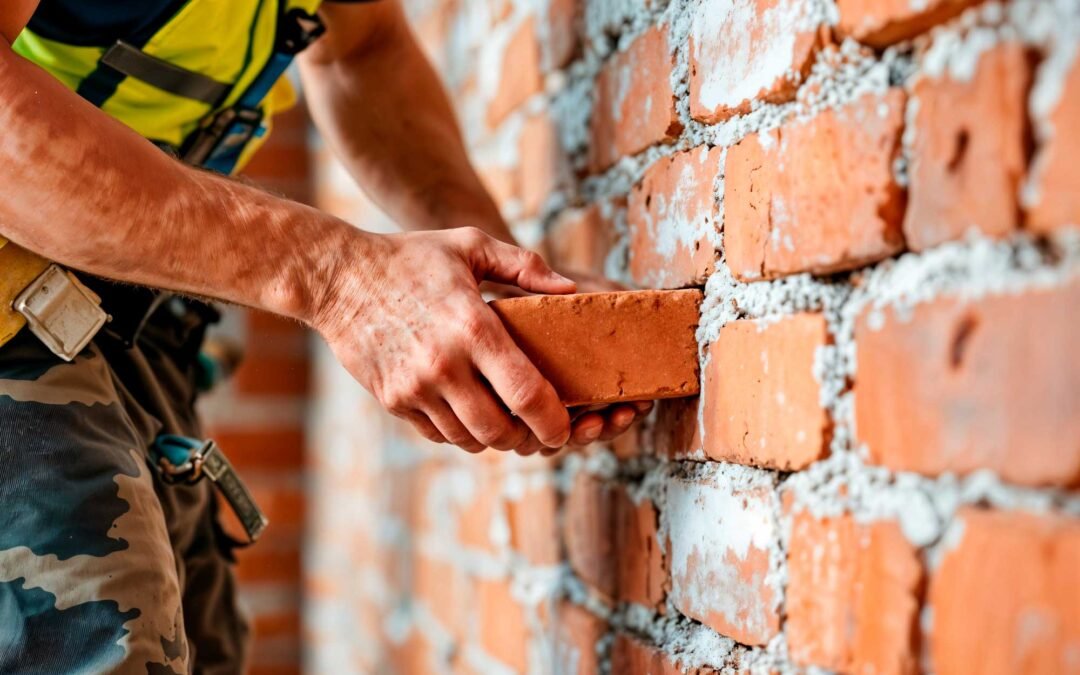
Masonry Services in Boston demand more than standard construction, they require a deep understanding of historic materials, environmental exposure, and preservation law. At Historic Masonry & Construction, we approach every project as structural legacy management, protecting Boston’s architectural identity across Back Bay, Beacon Hill, the North End, South End, Charlestown, and the Seaport.
With over 20 years of experience, we specialize in restoring 18th and 19th century masonry using 2026 best practices, blending traditional craftsmanship with modern engineering standards like the International Existing Building Code (IEBC) and ASTM C270.
The Engineering of Boston Brick: Why “Water Struck” Masonry Requires Expertise
Boston’s historic buildings are largely constructed with water struck bricks, a traditional manufacturing method that creates:
-
Dense outer surfaces
-
Highly porous internal structures
-
Exceptional durability if properly maintained
The Risk of Incorrect Repairs
Using modern Portland cement mortar on historic brick can cause:
-
Moisture entrapment
-
Surface spalling (brick face deterioration)
-
Long term structural weakening
According to the National Park Service Preservation Brief the correct approach is to use softer, breathable mortar that allows moisture to escape through the joint.
Our Solution: Natural Hydraulic Lime (NHL 3.5)
To combat Boston’s increasingly volatile freeze thaw cycles, we use:
-
NHL 3.5 lime mortars for flexibility and durability
-
Custom mortar matching for color and composition
-
Breathable systems that protect historic masonry
This ensures your brickwork survives harsh winters and humid summers without damage.
Historic Brick Repointing: Precision Restoration That Lasts
Repointing is one of the most critical masonry services for Boston properties.
What Is Repointing?
Repointing involves:
-
Removing deteriorated mortar joints
-
Replacing them with historically accurate mortar
-
Restoring both structural integrity and appearance
Our Tuckpointing Expertise
As tuckpointing specialists in Suffolk County, we:
-
Match original mortar composition (ASTM C270 compliant)
-
Replicate historic joint profiles
-
Preserve the visual character of 19th century façades
Properly executed repointing can last 50+ years when done correctly.
Brownstone Restoration Boston: Preserving Iconic Architecture
Boston brownstones especially in Back Bay and the South End require specialized care.
Common Issues
-
Surface delamination
-
Cracking from thermal expansion
-
Water infiltration
Our Advanced Restoration Techniques
Instead of full replacement, we use stone consolidation methods:
-
Penetrating consolidants to strengthen weakened stone
-
Micro-injection crack repair
-
Selective patching with mineral based materials
This approach preserves original material while restoring structural performance.
Granite Foundation Repair Beacon Hill: Strength Beneath the Surface
Granite foundations are a hallmark of Beacon Hill and Charlestown properties.
Typical Problems
-
Mortar joint erosion
-
Settlement cracks
-
Water infiltration
Our Repair Methods
-
Granite block resetting
-
Lime mortar repointing
-
Structural crack stitching
We also consider groundwater conditions using data from the Boston Groundwater Trust to ensure long-term foundation stability.
Salt Air & Freeze Thaw Engineering in Coastal Boston
Boston’s coastal climate creates unique challenges:
-
Salt laden air accelerates masonry decay
-
Rapid freeze thaw cycles cause cracking
-
Increased storm intensity adds moisture stress
Our 2026 Engineering Approach
-
Use of NHL 3.5 mortars for flexibility
-
Breathable coatings that resist salt penetration
-
Moisture management systems integrated into masonry
This ensures durability in neighborhoods like:
-
The Seaport
-
North End waterfront areas
-
Charlestown Navy Yard
Navigating the BLC & ISD: Masonry Compliance in Boston
Masonry work in Boston is highly regulated.
Permits & Approvals
We manage all compliance through:
2026 Requirements Include:
-
Certificates of Appropriateness for visible work
-
“In-kind” material replacement in historic districts
-
Mortar and material sample submissions
This is especially critical in:
-
Beacon Hill
-
Back Bay (Gainsborough Street area)
-
Bay Village
We handle the entire process, ensuring your project meets all legal and preservation standards.
Masonry and Groundwater: The Hidden Connection
Boston’s masonry health is closely tied to groundwater levels.
In areas like Back Bay and the South End:
-
Foundations rely on stable groundwater conditions
-
Fluctuations can lead to settlement and cracking
By referencing data from the Boston Groundwater Trust, we:
-
Assess risk factors
-
Design moisture balanced solutions
-
Protect both masonry and foundation systems
Q: How do I choose the right mortar for a historic Boston Brownstone?
A: Using modern Portland cement on 19th-century Boston brick is a critical error; it traps moisture and causes “spalling.” In 2026, professional masonry services in Boston utilize custom matched lime putty or NHL mortars that are softer than the historic brick, ensuring moisture escapes through the joint, not the masonry unit itself.
Q: Do I need a permit for masonry repointing in Beacon Hill?
A: Yes. The Boston Landmarks Commission (BLC) requires a Certificate of Appropriateness for any masonry work visible from a public way. Historic Masonry manages the 2026 digital filing process, including mortar-match samples and photographic documentation for ISD approval.
Signs of Masonry Failure in Boston Homes
Watch for these indicators:
-
Crumbling or missing mortar joints
-
Cracks in brick or stone
-
White efflorescence deposits
-
Bulging or leaning walls
-
Water infiltration
Early intervention prevents costly structural damage.
How Long Does Repointing Last?
When done correctly using lime based mortars:
-
50-75 years lifespan is typical
-
Longevity depends on exposure and maintenance
-
Proper drainage and moisture control extend durability
Can You Match 100 Year Old Brick?
Yes. We specialize in:
-
Salvaged brick sourcing
-
Custom color matching
-
Texture and size replication
This ensures seamless integration with historic structures.
Signs of Foundation Settlement in a South End Brownstone
-
Stair step cracking in brick
-
Sloping floors
-
Window and door misalignment
-
Separation between walls and ceilings
These issues often relate to soil movement or groundwater changes.
Why Choose Historic Masonry & Construction?
We are Boston’s trusted name in historic masonry.
What Sets Us Apart
-
20+ years of local experience
-
Experts in tuckpointing and lime mortar systems
-
Compliance with IEBC and ASTM C270
-
Deep knowledge of Boston’s neighborhoods and soils
-
Consistent 5 star client satisfaction
We don’t just repair masonry we preserve history.
Secure Your Property’s Future
Your masonry is more than a façade it’s the structural backbone of your home.
Secure your property’s future. Contact Historic Masonry & Construction for a Professional Boston Masonry Audit.