
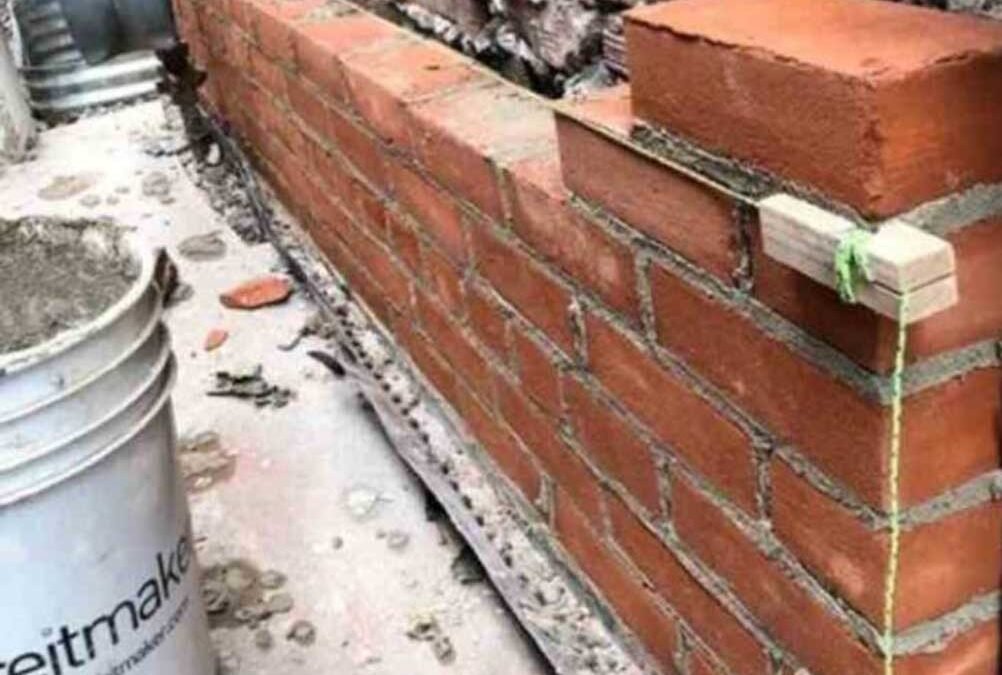
Preserving the Architectural Legacy of Cambridge, Massachusetts
The historic neighborhoods of Cambridge contain some of the most architecturally significant masonry structures in New England. From the Federal-era brick townhouses surrounding Harvard Square to the stately brownstones and Victorian masonry façades along Brattle Street, these structures represent centuries of craftsmanship, civic identity, and structural engineering heritage.
At Historic Masonry Contractors, we specialize exclusively in historically accurate masonry preservation, structural stabilization, lime mortar restoration, and heritage façade rehabilitation throughout Cambridge and Middlesex County. Unlike general contractors who apply modern masonry systems indiscriminately, our restoration methodology is rooted in preservation science, traditional building physics, and municipal historic compliance standards.
Historic masonry structures were designed to breathe, flex, absorb moisture, and release vapor naturally through lime-based mortar systems. Applying modern high-strength cement materials to these structures fundamentally disrupts their intended moisture dynamics and accelerates deterioration. Our team restores historic buildings according to preservation-grade standards established by the National Park Service Preservation Briefs and local oversight frameworks administered by the Cambridge Historical Commission.
Why Historic Masonry Requires Specialized Restoration Expertise
Most pre-1930 masonry buildings in Cambridge were constructed using:
-
Soft-fired clay brick
-
Boston-area water-struck brick units
-
Lime putty mortar
-
Hand-tooled narrow mortar joints
-
Multi-wythe structural wall assemblies
-
Vapor-open masonry systems
These materials perform entirely differently from modern commercial masonry.
The Hidden Structural Risk of Modern Cement Repairs
One of the leading causes of façade failure in historic Cambridge properties is improper repointing using modern Portland cement mortar.
Historic masonry systems depend on soft, vapor-permeable mortar joints that accommodate:
-
Thermal movement
-
Moisture migration
-
Structural settlement
-
Seasonal freeze-thaw expansion
Traditional lime mortar functions as a sacrificial material. It is intentionally softer than the surrounding brick, allowing the mortar to weather first while preserving the structural masonry units.
Modern Portland cement behaves differently.
Typical modern Type N or Type S mortar may exceed:
Historic lime mortar systems often range between:
This mismatch creates catastrophic stress concentration inside older masonry walls.
Understanding Cambridge’s Freeze-Thaw Masonry Failures
Historic masonry deterioration in Cambridge is heavily influenced by New England freeze-thaw mechanics.
During winter conditions throughout Middlesex County:
-
Moisture infiltrates microfractures within mortar joints.
-
Impermeable cement mortar traps water behind the masonry face.
-
Water freezes and expands.
-
Internal hydraulic pressure fractures historic brick surfaces.
-
Repeated seasonal cycling accelerates delamination and structural instability.
Water expands approximately:
\Delta V \approx 9%
inside confined masonry pores during freezing events.
This process leads directly to:
-
Brick spalling
-
Surface scaling
-
Brownstone delamination
-
Interior moisture infiltration
-
Structural cracking
-
Multi-wythe wall separation
Historic Cambridge buildings were originally engineered around breathable lime systems that safely expelled trapped vapor before freeze damage occurred.
The Preservation Science Behind Lime Mortar Restoration
Our restoration process begins with detailed mortar analysis and masonry diagnostics.
We evaluate:
-
Aggregate gradation
-
Binder composition
-
Porosity
-
Vapor permeability
-
Joint tooling profiles
-
Salt contamination
-
Moisture pathways
-
Brick hardness and absorption rates
Unlike generic contractors, we replicate historically accurate mortar matrices using:
-
Traditional lime putty
-
Natural hydraulic lime
-
Regionally matched sands
-
Mineral oxide pigmentation
-
Low-psi breathable formulations
We never use inappropriate high-strength cement blends on historic masonry structures unless structurally required and historically compatible.
For technical preservation guidance, we follow standards established in Preservation Brief 2: Repointing Mortar Joints in Historic Masonry Buildings.
Historic Masonry Services in Cambridge, MA
Historic Brick Repointing & Tuckpointing
Historic repointing is not cosmetic maintenance. It is structural moisture management.
Our Cambridge repointing process includes:
-
Hand-controlled mortar removal
-
Low-vibration extraction methods
-
Joint depth stabilization
-
Historic mortar replication
-
Traditional finish tooling
-
Controlled curing protocols
We restore mortar joints in:
-
Federal-style townhouses
-
Georgian brick façades
-
Victorian row buildings
-
Institutional masonry structures
-
Historic commercial blocks
Special attention is given to preserving original narrow joints commonly found around Harvard Square and Old Cambridge.
Brownstone Stabilization & Surface Restoration
Brownstone structures across Mid-Cambridge and West Cambridge experience chronic moisture deterioration due to layered sedimentary composition and surface exfoliation.
Our brownstone restoration services include:
-
Dutchman repairs
-
Surface consolidation
-
Cementitious mineral restoration
-
Custom color matching
-
Structural crack stabilization
-
Water management correction
We specialize in breathable restoration systems that maintain original stone vapor transmission characteristics.
Structural Masonry Stabilization
Many historic Cambridge buildings contain multi-wythe load-bearing walls that develop structural instability over decades.
We perform:
-
Helical tie installation
-
Wall anchor reinforcement
-
Bowed wall correction
-
Crack stitching
-
Lintel stabilization
-
Settlement mitigation
Modern stainless-steel reinforcement systems are concealed within the wall assembly to preserve historical appearance while dramatically improving structural integrity.
Historic Chimney Reconstruction
Historic chimneys throughout Cambridge endure severe thermal cycling and weather exposure.
Common failures include:
-
Crown deterioration
-
Brick spalling
-
Flue instability
-
Mortar washout
-
Leaning chimney stacks
-
Flashing failure
We reconstruct and restore historic chimneys using historically accurate brick bonds, lime mortar systems, and integrated modern waterproofing techniques.
Cambridge Historical Commission Compliance
Exterior masonry restoration in Cambridge frequently requires oversight from the Cambridge Historical Commission.
Properties located within designated historic districts or neighborhood conservation districts often require:
-
Certificates of Appropriateness
-
Certificates of Non-Applicability
-
Material review submissions
-
Façade mock-ups
-
Preservation compliance documentation
We assist property owners through every phase of the municipal approval process.
Common Cambridge Historic District Review Requirements
| Review Component | Typical Requirement |
|---|---|
| Mortar Color Matching | Mandatory |
| Joint Tooling Replication | Mandatory |
| Brick Replacement Compatibility | Mandatory |
| Test Panels | Frequently Required |
| Cleaning Methods Review | Required |
| Visibility from Public Way | Determines Review Scope |
| Preservation Brief Compliance | Strongly Recommended |
Additional city information is available through the City of Cambridge Historic Preservation Portal.
Historic vs Modern Masonry Engineering Comparison
| Engineering Parameter | Historic Cambridge Masonry | Modern Commercial Masonry |
|---|---|---|
| Primary Binder | Lime Putty / Natural Pozzolans | Portland Cement |
| Compressive Strength | 200–600 psi | 1,500–3,500+ psi |
| Vapor Permeability | Extremely High | Low |
| Structural Movement | Flexible | Rigid |
| Moisture Behavior | Breathable | Moisture Trapping |
| Brick Composition | Water-Struck Soft Brick | Dense Machine Brick |
| Repair Philosophy | Sacrificial Mortar | Permanent Hard Bond |
| Freeze-Thaw Resistance | Vapor-Based Drying | Barrier-Based Resistance |
Neighborhood-Specific Masonry Expertise in Cambridge
Harvard Square & Old Cambridge
Historic structures near Harvard Square often contain:
-
Ultra-narrow mortar joints
-
Handmade clay brick
-
Lime-rich mortar
-
Delicate Federal detailing
These buildings require extremely low-pressure cleaning methods and historically accurate sand gradation matching.
Brattle Street & West Cambridge
Properties along Brattle Street commonly feature:
-
Brownstone façades
-
Fieldstone retaining walls
-
Ornamental masonry
-
Estate-grade chimneys
-
Stone foundations
Our restoration strategies prioritize structural stabilization while preserving architectural authenticity.
Central Square & Inman Square
Late-19th-century masonry buildings in these districts frequently display:
-
Corbeled brick cornices
-
Terra cotta detailing
-
Decorative parapets
-
Commercial storefront masonry
These assemblies often require advanced moisture diagnostics and structural tie reinforcement.
Local Restoration Process
Step 1 — On-Site Masonry Assessment
We conduct a detailed inspection evaluating:
-
Mortar failure patterns
-
Brick absorption rates
-
Moisture infiltration
-
Structural displacement
-
Freeze-thaw damage
-
Salt migration
-
Previous repair incompatibilities
Step 2 — Historic Material Analysis
Our preservation specialists identify:
-
Original lime composition
-
Sand sources
-
Aggregate texture
-
Mortar hardness
-
Joint profile geometry
Step 3 — Preservation-Compliant Restoration
All restoration work follows:
-
Secretary of the Interior Standards
-
NPS Preservation Briefs
-
Cambridge Historical Commission guidelines
-
Historically appropriate material specifications
Step 4 — Long-Term Moisture Management
We address root-cause moisture intrusion through:
-
Drainage corrections
-
Capillary moisture mitigation
-
Flashing integration
-
Vapor balancing
-
Chimney waterproofing
-
Masonry ventilation strategies
Intent-Matching Restoration Service Table
| User Intent | Recommended Service | Typical Cambridge Building Type |
|---|---|---|
| Crumbling mortar joints | Historic lime repointing | Federal brick rowhouses |
| Brick face flaking | Moisture diagnostics & mortar correction | Victorian homes |
| Bowed masonry wall | Structural stabilization & helical ties | Multi-wythe masonry buildings |
| Brownstone deterioration | Surface consolidation & patch restoration | Brattle Street brownstones |
| Chimney leaks | Chimney rebuild & flashing restoration | Historic residential properties |
| Historic district compliance | Preservation documentation support | Local historic district homes |
| White powder on brick | Efflorescence moisture mitigation | Older brick foundations |
Frequently Asked Questions
How do I know if my Cambridge brick building needs repointing?
Common warning signs include deteriorating mortar joints, visible gaps, loose bricks, interior moisture staining, white efflorescence deposits, and brick spalling. Historic Cambridge masonry should be inspected immediately once mortar erosion becomes visible because moisture penetration accelerates rapidly during New England winters.
What mortar should be used on historic brick buildings in Cambridge?
Historic Cambridge buildings generally require breathable lime-based mortar rather than modern high-strength Portland cement. Lime mortar allows vapor permeability and accommodates structural movement without damaging soft historic brick.
Does masonry restoration require approval from the Cambridge Historical Commission?
Yes. Exterior masonry work visible from a public way within designated historic districts often requires approval from the Cambridge Historical Commission before construction begins.
Why is Portland cement dangerous for old brick buildings?
Portland cement traps moisture inside historic masonry walls. During freeze-thaw cycles, trapped water expands and fractures historic bricks, causing spalling, cracking, and long-term structural deterioration.
How long does historic lime mortar repointing last?
Professionally executed historic lime mortar restoration typically lasts between 40 and 60 years when performed using historically compatible materials and proper curing methods.
Can you match original 19th-century mortar colors?
Yes. We perform historic mortar analysis using aggregate gradation studies, mineral pigment matching, and local sand sourcing to replicate original mortar appearance and physical behavior.
Is sandblasting safe for historic Cambridge brick?
No. Sandblasting permanently destroys the protective fired surface of historic clay brick, dramatically increasing moisture absorption and freeze-thaw deterioration.
Protect the Structural Integrity of Your Historic Cambridge Property
Historic masonry restoration requires far more than cosmetic repair. It demands deep expertise in preservation science, structural engineering, moisture physics, local regulatory compliance, and traditional craftsmanship.
At Historic Masonry Contractors, we help property owners throughout Cambridge preserve historically significant masonry structures using technically accurate, preservation-grade restoration methods designed specifically for New England climate conditions.
Whether your building requires:
-
Historic brick repointing
-
Lime mortar restoration
-
Brownstone stabilization
-
Structural masonry reinforcement
-
Chimney reconstruction
-
Cambridge Historical Commission compliance support
our specialists deliver historically faithful, structurally sound solutions built for long-term preservation performance.